- THIS DOMAIN NAME IS FOR SALE ******* LIST OF DOMAIN NAME PRICES —AT ABSHOT.COM
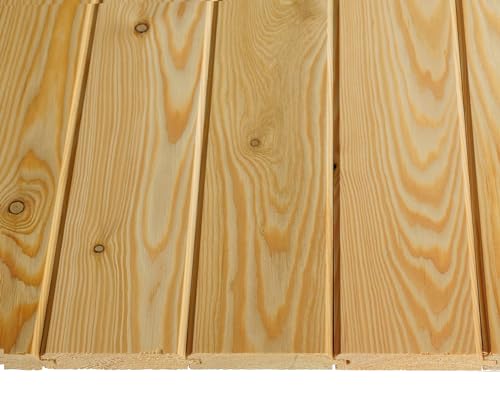
- Great quality pine cladding available in 1.2m and 2.4m lengths cut here in our UK warehouse.
- This design has a V point groove where the boards meet.
- Each piece is 9mm thick x 95mm wide.

- White UPVC Plastic Flexible Angle
- 25mm x 25mm x 5 Metre Length
- Flexible from 0° to 180°

- EACH PACK HAS 5 PANELS EACH 20CM WIDE … 2.6M LONG …. EACH PANEL IS 5mm THICK .. TONGUE AND GROOVED

- Length: 2.6m
- Width: 25 cm.
- Thickness:5mm

- ELEGANT NATURAL WOOD LOOK DESIGN: Featuring sleek, light toned MDF wooden slats aligned over a deep black felt backing, …
- ACOUSTIC PERFORMANCE: Crafted with sound absorbing felt and precision cut natural oak effect MDF slats, these large acou…
- VERSATILE USAGE & CREATIVE LAYOUTS: Use for wall panelling, wall cladding, feature walls or acoustic room treatment. The…

- All-in-one 10-piece pack (260cm x 25cm x 5mm each) – This set of high-quality PVC wall panels gives you a full room solu…
- Gloss finish & premium PVC material – Crafted from durable PVC with a sleek gloss finish wall panel look, these panels b…
- Tongue & groove interlocking installation – Featuring a smart tongue and groove wall panel design, installation is fast …
Wall Cladding Manufacturers and Suppliers in the UK
1. Marley Eternit
A leading manufacturer specializing in fibre cement and clay roof tiles, slates, and wall cladding solutions suitable for various architectural applications.
2. Trespa International
Known for high-quality exterior wall cladding panels made from durable phenolic surfaces, offering a wide range of colors and finishes.
3. James Hardie
A global manufacturer providing fiber cement products, including innovative wall cladding options designed for durability and aesthetic appeal.
4. Cedral
Part of James Hardie, Cedral offers fiber cement siding and cladding solutions that combine strength with low maintenance requirements.
5. Euroclad
Specializes in metal cladding systems for walls and roofs, providing bespoke solutions tailored to commercial and industrial projects.
6. Sto Ltd.
Offers a comprehensive range of external wall insulation systems and decorative cladding materials suitable for residential and commercial buildings.
7. Rockpanel
Manufactures fiber cement panels used for external wall cladding, known for their sustainability, versatility, and weather resistance.
8. Sotech Ltd.
Provides high-performance composite wall cladding panels with a focus on sustainability, aesthetics, and ease of installation.
9. Alucobond UK
Supplies aluminum composite material (ACM) panels used extensively in modern architectural facades and wall cladding systems.
10. Kingspan Group
Offers insulated panel systems and façade solutions designed to enhance energy efficiency while providing attractive exterior finishes.
Note: This list is intended to serve as a starting point for sourcing wall cladding products within the United Kingdom. It is recommended to contact manufacturers directly for detailed product specifications, availability, and technical support.
Understanding Wall Cladding: Benefits and Types
Wall cladding serves a significant role in modern construction, providing both functional and aesthetic advantages. Essentially, it refers to the application of one material over another to provide a protective layer. This practice benefits not only the structural integrity of buildings but also enhances their visual appeal. In the United Kingdom, various types of wall cladding materials are available, each offering unique attributes suited to diverse applications.
One of the primary benefits of wall cladding is its ability to improve thermal insulation. By adding an extra layer to the exterior, cladding minimizes heat loss during colder months and reduces heat gain in the summer. Consequently, this contributes to energy efficiency, which is often a key consideration in both residential and commercial properties. Additionally, wall cladding can enhance the overall aesthetics of a building. With a variety of designs, colors, and textures, cladding allows property owners to create a distinctive appearance, blending with the surroundings or making a bold statement.
When considering the types of wall cladding, options such as wood, vinyl, metal, and stone come to the forefront. Wood cladding offers a natural charm, widely sought after for its warmth and versatility, making it ideal for both rustic and contemporary designs. Vinyl cladding is appreciated for its low-maintenance qualities and resistance to various weather conditions, providing a budget-friendly solution. Metal cladding, often used in commercial structures, offers durability and modern aesthetics, while stone cladding presents an elegant, timeless look, perfect for high-end residential projects.
In essence, the choice of wall cladding material should align with both the functional requirements and design vision of the property. Understanding the benefits and types of wall cladding is vital for property owners seeking to enhance their buildings while ensuring quality installation through experienced contractors.
Qualities to Look for in a Wall Cladding Contractor
Choosing the right wall cladding installation contractor is a pivotal step in ensuring a successful project. A contractor’s experience is paramount; those with a long-standing history in the industry are likely familiar with a variety of materials and installation techniques, allowing them to handle challenges that may arise. It is advisable for homeowners and businesses to inquire about the contractor’s previous projects, as reviewing their portfolio provides insight into the quality of their work and their ability to execute designs that meet client expectations.
Certifications play a vital role in establishing a contractor’s credibility. Look for professional affiliations with recognized organizations that signify adherence to industry standards and best practices. This helps reassure clients that the contractor possesses not only the necessary technical skills but also a commitment to ongoing learning and improvement in their field. Furthermore, obtaining customer testimonials can serve as a reliable indicator of the contractor’s reliability and service quality. Reviews and references from past clients offer first-hand accounts of their experiences, helping you gauge the contractor’s professionalism and attention to detail.
Additionally, it is crucial to ensure that any contractor you consider is fully insured and offers warranties on their work. Insurance protection means that in the event of an accident or damage during installation, both you and the contractor are safeguarded against financial loss. Warranties give peace of mind that the work performed is durable and that the contractor stands by their craft. Practical tips for assessing a contractor’s credibility include checking online reviews, asking for recommendations from friends or family, and conducting thorough interviews to clarify any doubts about their qualifications. This diligence will greatly aid in selecting the most dependable wall cladding installer for your project.
The Installation Process: What to Expect
When embarking on a wall cladding project, it is crucial to understand the various stages involved in the installation process, as this can greatly influence the overall outcome and efficiency of the work. The initial step typically involves a thorough preparation phase. Contractors will assess the area where the cladding will be installed, checking for any necessary repairs or improvements. This ensures that the surface is adequately prepared, providing a durable foundation for the new cladding materials.
Following preparation, the next phase involves the selection of appropriate materials. There is a diverse range of wall cladding options available, such as timber, vinyl, and stone. It is essential to consider each material’s properties, costs, and aesthetic appeal before making a final decision. Professionals should guide these choices, helping clients select the option that best suits their needs and preferences. The correct choice will enhance both the functionality and appearance of the building.
Once materials are chosen, the actual installation begins. Qualified contractors will utilize a variety of tools and techniques, tailored to the specific type of cladding selected. Common tools include saws, drills, and levels, which are essential for precise cutting and securing of the cladding. Installation techniques may differ based on the material; for instance, timber cladding often requires a framework for support, while vinyl may be affixed directly to the wall. Throughout this phase, potential disruptions should be anticipated, as work may cause noise and limited access to certain areas.
Finally, once the cladding is securely in place, finishing touches such as caulking and painting can be applied to ensure a polished look. The timeline for this entire process can vary; however, a typical wall cladding installation project may take several days to complete. Understanding these phases will allow homeowners and businesses to better prepare for their wall cladding projects, leading to a smoother and more successful installation experience.
Finding and Hiring the Right Contractor in the UK
Choosing the right wall cladding installation contractor in the United Kingdom involves several key steps that are essential for securing quality work. First and foremost, initiate your search by exploring local contractors. Word-of-mouth referrals from friends, family, or colleagues can be invaluable. Additionally, visiting home improvement stores and asking for recommendations can yield reliable contacts. Make use of online platforms that specialize in contractor directories, as they often provide customer reviews and ratings, allowing you to gauge the reputation and reliability of potential candidates.
Once you’ve identified a list of prospective contractors, it is crucial to request quotes. Aim to gather at least three estimates to compare pricing and services offered. Ensure that the quotes include detailed descriptions of the work involved, materials to be used, project timelines, and payment schedules. This transparency will assist in making an informed decision. Furthermore, engaging with each contractor can provide insights into their professionalism and approach to your project.
Next, conduct interviews with shortlisted candidates. Prepare a set of questions that cover their experience with wall cladding projects, previous work examples, and adherence to safety standards. Inquire about their licensing and insurance, which serves as a reassurance of their legitimacy and provides protection against potential liabilities. It is also wise to ask for references, allowing you to connect with past clients and gain feedback on their experiences.
Finally, once a contractor is selected, ensure that the contract reflects all agreed terms. A comprehensive contract should include a clear scope of work, payment terms, project milestones, and any warranties on workmanship. This not only protects both parties but also establishes a solid foundation for the working relationship. By following these steps, you will enhance your chances of hiring a competent wall cladding installation contractor who meets your project needs in the UK.
Contact information — Please use contact form on http://www.abshot.com/contact/